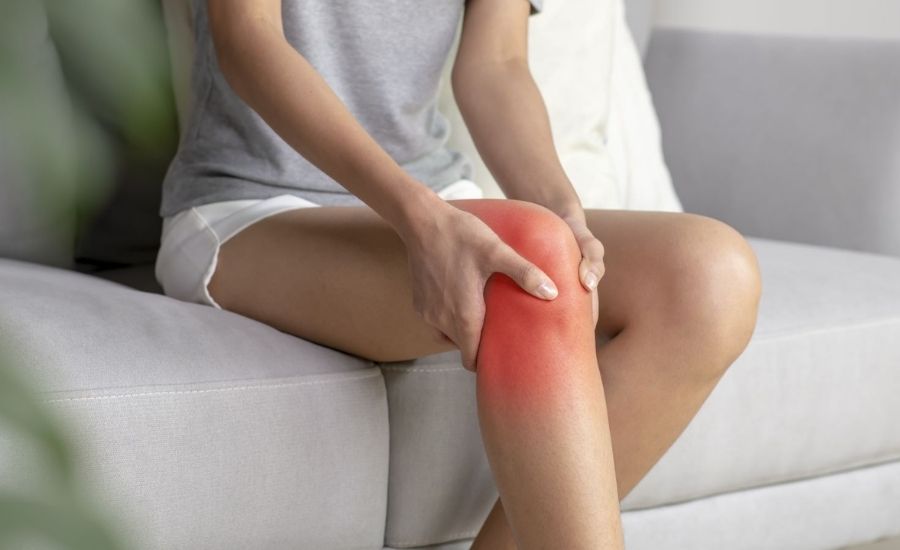
Joint ache can slowly intervene with day by day life. You could probably experience stiffness even as strolling, discomfort whilst lifting devices, or observe swelling spherical joints that used to experience fine. Many people appear up “bursiter” when experiencing these symptoms and symptoms to apprehend what’s occurring of their joints. Bursiter refers to infection of small fluid-stuffed sacs referred to as bursae, which cushion bones, tendons, and muscle tissues to reduce friction. Knowing how bursiter develops, what triggers it, and the way to manipulate it is able to assist relieve ache and save you lengthy-term joint problems.
What is Bursiter?
Bursiter is the inflammation of a small fluid-stuffed sac referred to as a bursa. Bursae are found near joints in the route of the frame and act as cushions amongst bones, muscle tissues, tendons, and pores and skin, assisting to reduce friction and permit easy joint motion.
When a bursa turns angry or infected, it can swell with greater fluid, causing pain, stiffness, and limited motion within the nearby joint.
Bursiter most often influences joints that are often utilized in ordinary sports, which encompass:
- Shoulders
- Hips
- Elbows
- Knees
- The heel close to the ankle
Individuals who perform repetitive motions or engage in physically annoying sports activities are at a better hazard of growing bursiter.
Bursiter in Workplace or Social Contexts
Interestingly, out of doors of its scientific context, the term bursiter is occasionally used metaphorically in offices or social settings. In this experience, a bursiter is a person who facilitates reducing tension, resolves conflicts, or ensures easy interactions—basically minimizing “friction” among people or approaches.
For example, in a busy office environment:
- A bursiter is probably a assignment supervisor who coordinates conversation across departments.
- They could introduce workflows or equipment to prevent misunderstandings.
- Their function helps decrease stress and improve basic performance.
This metaphorical use makes the term famous in corporate education, leadership education, and crew-constructing packages, highlighting the value of smoothing interactions and fostering collaboration.
Main Causes of Bursiter
Several factors can contribute to the improvement of bursiter, and frequently, it seems gradually because of non-stop pressure on a joint.
Repetitive Joint Movements
Frequent use of the equal joint is a chief motive of bursiter. Activities in conjunction with sports activities, guide exertions, gardening, or jobs that require repeated arm or leg motions can get worse the bursa through the years.
Injury or Trauma
An unexpected harm or direct effect to a joint can cause bursiter. The bursa may additionally end up infected as a natural reaction to the trauma.
Prolonged Pressure on Joints
Extended periods of leaning on elbows or kneeling on difficult surfaces can irritate the bursa. People like floor employees, mechanics, or manufacturing personnel may also additionally revel in bursiter inside the knees or elbows from regular stress.
Underlying Health Conditions
Certain scientific troubles, specifically inflammatory sicknesses, can increase the chance of bursiter. These situations can reason swelling in joints and surrounding tissues, making the bursae greater at risk of infection.
This mixture of factors explains why bursiter is not unusual in both bodily active humans and those with underlying health concerns.
How to Identify a Bursiter
Whether searching at bursiter medically or metaphorically, spotting it involves noticing sure key signs and symptoms.
In a Health Context:
- Ongoing joint ache that doesn’t without difficulty subside
- Swelling, redness, or tenderness close to bursa areas
- Difficulty moving the affected joint typically or appearing ordinary responsibilities
In Social or Professional Contexts:
- An individual who lightly resolves conflicts
- Someone who proactively organizes obligations or workflows
- A mediator who facilitates hold easy interactions amongst team participants
Being aware about these symptoms—whether physical signs or behavioral developments—can assist individuals reply correctly, either by way of seeking medical remedy or by means of relying on a skilled facilitator to ease friction in a set or workplace.
Symptoms of Bursiter
The signs of bursiter commonly seem around the affected joint, and their intensity can range primarily based on how inflamed the bursa is.
Common Symptoms Include:
- Aching or sharp pain across the joint
- Swelling close to the joint
- Tenderness when pressing on the location
- Warmth or redness over the inflamed web page
- Stiffness or decreased variety of movement
- Pain that worsens at some stage in bodily pastime
Often, signs and symptoms accentuate if the joint is time and again used without ok relaxation. Recognizing those symptoms early can help manage the situation efficiently and prevent it from turning into greater excess.
Treatment and Support for a Medical Bursiter
For people handling bursiter (medically called bursitis), there are numerous strategies to manipulate signs and symptoms and beautify joint characteristic:
Rest and Adjusted Activity – Limiting repetitive actions or positions that worsen the bursa can assist lessen contamination.
Cold and Heat Therapy – Applying ice packs can assist lower swelling, whilst mild warmth may also ease stiffness and beautify mobility.
Medications – Over-the-counter anti-inflammatory tablets (NSAIDs) can relieve pain and reduce infection.
Physical Therapy – Specific sports can assist the muscle tissue throughout the joint and decorate ordinary characteristics.
Surgical Options – In unusual, continual times in which conservative remedies fail, surgical remedy can be considered to do away with or restore the affected bursa.
Early intervention and right control can considerably lessen ache and prevent the state of affairs from worsening.
Types of Bursiter
Bursiter can arise in numerous elements of the body, depending on which bursa is infected. Different types are connected to unique joints and activities:
Shoulder Bursiter – Inflammation inside the shoulder bursa can make lifting the arm, achieving overhead, or performing normal tasks like dressing or carrying gadgets painful.
Hip Bursiter – This kind causes pain on the outer hip, every now and then radiating down the thigh. Discomfort often worsens while walking, climbing stairs, or mendacity on the affected facet.
Elbow Bursiter – Also referred to as “scholar’s elbow,” it ends in swelling at the back of the elbow, usually from repeated strain or leaning at the joint for extended periods.
Knee Bursiter – Common in those who kneel regularly, it produces pain and swelling on the front of the knee, every so often limiting movement.
Heel Bursiter – Affecting the region near the Achilles tendon, it may cause discomfort when taking walks, standing for long intervals, or wearing tight shoes.
Recognizing the region and form of bursiter allows concentration on treatment and stopping in addition to inflammation.
Preventing Bursiter Issues
Prevention is prime on the subject of protecting joint fitness or lowering friction in expert and social settings.
Tips for Health Prevention:
- Maintain correct posture for the duration of paintings or bodily sports.
- Take ordinary breaks to avoid repetitive pressure on joints.
- Include stretching and strengthening exercises on your day by day ordinary.
- Use ergonomic tools or supports whilst important to reduce stress on joints.
Tips for Workplace or Social Prevention:
- Foster open communication among team participants.
- Provide schooling for powerful conflict decisions.
- Establish clear workflows to save you misunderstandings.
- Identify and assist folks who evidently help smooth interactions and decrease anxiety.
Being proactive in both bodily health and organizational dynamics can considerably lower the hazard of bursiter and related headaches, maintaining both joints and teamwork functioning easily.
Ways to Prevent Bursiter
Preventing bursiter mainly focuses on lowering stress on the joints and adopting healthful bodily conduct.
Effective Prevention Strategies:
- Always warm up in advance rather than exercising or any physical interest.
- Limit repetitive actions that pressure the same joint over lengthy intervals.
- Take common breaks all through physical disturbing obligations.
- Maintain pinnacle posture while sitting, standing, or lifting.
- Use protective devices like knee pads or elbow cushions even as crucial.
- Perform carrying activities to reinforce the muscle tissues surrounding your joints.
Following those practices enables guarding the bursae, reduces joint stress, and lowers the chances of developing bursiter.
Bursitis on the foot
Bursitis within the foot regularly affects two bursae close to the attachment of the Achilles tendon to the heel bone. One bursa sits at the outside of the tendon, protecting it from outside pressure, at the same time as the alternative lies between the heel bone and the tendon, reducing friction all through movement. The velocity of restoration in large part relies upon which bursa is affected.
If the outer bursa is infected, restoration is normally quicker. Reducing outside stress is fundamental, so paying attention to footwear is important. Shoes should have a nicely shaped heel and soft materials that don’t press on the heel. Adjusting workout depth and restricting activities that irritate the location also can help.
If the internal bursa is the problem, healing can also take longer because it is worried in nearly all actions of the foot. This bursa is particularly pressured in certain sports or lively jobs. Treatment often includes lowering pastime or taking a detour from excessive-impact exercise for numerous weeks. Low-impact exercises that placed much less stress at the Achilles tendon may be advocated at some stage in restoration.
When Medical Attention is Needed
While mild bursitis might also improve with relaxation and fundamental home care, it’s critical to consult a healthcare expert if signs don’t get higher.
See a doctor in case you notice:
- Increasing or extreme pain
- Persistent or worsening swelling
- Difficulty moving the affected joint
- Fever or uncommon redness around the joint
Getting prompt medical interest can prevent headaches and help restore ordinary joint function more quickly.
Living Comfortably While Managing bursiter
People with bursitis can stay active with the useful resource of making small changes to their workouts. Reducing repetitive strain on the affected joint allows control soreness at the same time as permitting healing to arise. Gentle stretching and managed, low-impact actions can decorate flexibility without demanding inflammation.
It’s essential to be aware of your body throughout recovery. If a high quality movement motives ache, prevent and permit the joint relaxation. With steady, cautious management, signs and symptoms can steadily ease, and everyday, snug motion can go back.
The Future of the Term “Bursiter”
As language changes, specialized terms like “bursiter” preserve to adapt and advantage reputation for their twin meanings.
In a medical context, it highlights troubles related to bursitis and joint health. Professionally, it serves as a metaphor for folks that lessen tension, clear up conflicts, and preserve operations strolling easily.
Across social media, online forums, and industry-unique literature, the use of “bursiter” is probable to grow, taking up greater creative programs beyond its unique definitions.
Facts:
- Definition
- Bursiter refers to inflammation of a bursa, a small fluid-filled sac that cushions bones, tendons, and muscles near joints.
- Bursae reduce friction and help joints move smoothly.
- Bursiter refers to inflammation of a bursa, a small fluid-filled sac that cushions bones, tendons, and muscles near joints.
- Common Affected Joints
- Shoulders
- Hips
- Elbows
- Knees
- Heels near the Achilles tendon
- Shoulders
- Causes
- Repetitive joint movements (sports, manual labor, gardening)
- Injury or direct trauma to a joint
- Prolonged pressure on joints (kneeling or leaning on elbows)
- Underlying inflammatory conditions (like arthritis)
- Repetitive joint movements (sports, manual labor, gardening)
- Symptoms
- Pain or aching around the joint
- Swelling and tenderness
- Warmth or redness near the affected area
- Stiffness or limited range of motion
- Pain worsening during activity
- Pain or aching around the joint
- Treatment Options
- Rest and modifying activities to reduce joint stress
- Cold or heat therapy to reduce inflammation and stiffness
- NSAIDs (over-the-counter anti-inflammatories)
- Physical therapy for strength and mobility
- Surgery in rare, chronic cases
- Rest and modifying activities to reduce joint stress
- Types of Bursiter
- Shoulder: Pain when lifting or reaching overhead
- Hip: Outer hip pain, sometimes radiating down the thigh
- Elbow: Swelling at the back of the elbow (“student’s elbow”)
- Knee: Pain in front of the knee, common in people who kneel frequently
- Heel: Pain near the Achilles tendon, affected by shoes and activity
- Shoulder: Pain when lifting or reaching overhead
- Prevention
- Warm up before exercise
- Avoid repetitive movements without breaks
- Use proper posture and ergonomic tools
- Strengthen muscles around joints
- Wear protective padding for knees or elbows
- Warm up before exercise
- Foot-Specific Notes
- Two bursae near the Achilles tendon: one on the outside (pressure protection) and one between tendon and heel (reduces friction).
- Outer bursa heals faster; inner bursa may require longer rest and low-impact activity.
- Two bursae near the Achilles tendon: one on the outside (pressure protection) and one between tendon and heel (reduces friction).
- Professional/Metaphorical Use
- Outside of medicine, “bursiter” can describe someone who reduces tension, resolves conflicts, or ensures smooth workflow in social or workplace settings.
- Outside of medicine, “bursiter” can describe someone who reduces tension, resolves conflicts, or ensures smooth workflow in social or workplace settings.
Summary:
Bursiter is the inflammation of a bursa—a small sac that cushions joints—leading to pain, swelling, and limited movement. Commonly affected joints include the shoulders, hips, elbows, knees, and heels. The condition often arises from repetitive motion, injury, prolonged pressure, or underlying health issues. Symptoms can worsen if the joint is used without rest.
Treatment focuses on rest, activity modification, therapy, medications, and in rare cases, surgery. Prevention involves warm-ups, posture, strength training, and protective gear. Foot bursiter specifically affects the bursae near the Achilles tendon, with recovery depending on which bursa is inflamed.
Beyond its medical meaning, “bursiter” has gained metaphorical use in professional contexts to describe individuals who ease tension and ensure smooth interactions in teams or organizations. Awareness, early intervention, and lifestyle adjustments can help manage bursiter effectively.
FAQs:
Q1: What exactly is bursiter?
A: Bursiter is inflammation of a bursa, a fluid-filled sac near joints that cushions bones, muscles, and tendons to reduce friction.
Q2: What causes bursiter?
A: It can develop due to repetitive joint use, injury, prolonged pressure, or underlying conditions like arthritis.
Q3: What are the main symptoms?
A: Pain, swelling, tenderness, redness, stiffness, and difficulty moving the joint. Pain usually worsens with activity.
Q4: Which joints are most commonly affected?
A: Shoulders, hips, elbows, knees, and the heel near the Achilles tendon.
Q5: How is bursiter treated?
A: Rest, cold or heat therapy, anti-inflammatory medications, physical therapy, and surgery in rare chronic cases.
Q6: Can bursiter be prevented?
A: Yes. Prevention includes proper posture, stretching, warm-ups, avoiding repetitive strain, strengthening surrounding muscles, and using protective padding.
Q7: How long does bursiter take to heal?
A: Mild cases may improve in days to weeks with rest and care. More severe or chronic cases may take longer, especially if the inner Achilles bursa is affected.
Q8: What does “bursiter” mean in a workplace context?
A: Metaphorically, it describes a person who reduces tension, resolves conflicts, and ensures smooth team operations.
Q9: When should I see a doctor?
A: If pain is severe, swelling persists or worsens, joint movement is limited, or there is fever/redness near the joint.